

Christmas Crystal Gift Guide: Thoughtful Stones for Every Budget
A seasonal guide to choosing crystals by meaning and budget, with practical UK presentation and posting tips for thoughtful Christmas gifts.
Choosing a crystal for someone at Christmas is a small act of attention. You are not just buying a pretty object; you are picking a stone that says something about the person, the year they have had, or the mood you hope the new one brings. The trick is to match the stone to the meaning and the meaning to your budget, then present it in a way that feels warm rather than worthy. This guide covers thoughtful options at three spending levels, plus presentation ideas that work in a British winter.
Start with meaning, then set a budget
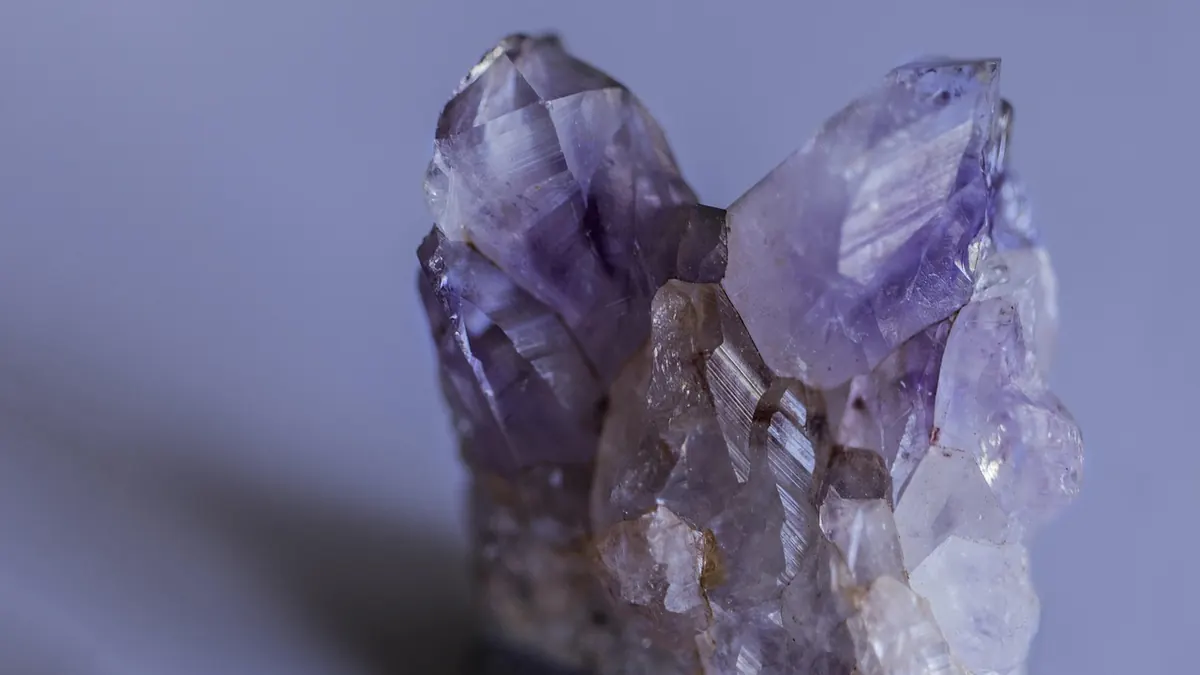
Before you look at shapes or sparkle, decide what you want the gift to say. A stone chosen for calm will land differently from one chosen for courage or celebration. Traditional associations are a useful shorthand: amethyst for calm, citrine for optimism, rose quartz for kindness, clear quartz for clarity, black tourmaline for protection, and pyrite for confidence. These are intentions, not medical treatments, and you do not need to believe in energy to enjoy a beautiful mineral.
Next, set a comfortable figure. Crystal gifts can be stocking fillers, main presents or long-term keepsakes. Knowing your ceiling stops you drifting towards a large cluster when a tumbled stone would do the job beautifully. For someone new to crystals, a smaller, well-chosen piece is often more welcome than an impressive piece they feel obliged to display.
Small gifts that still feel thoughtful
A modest budget is no barrier to a gift that feels considered. The secret is to choose something useful, tactile or decorative, and to pair it with a handwritten note explaining why you chose it.
- Tumbled stones: smooth, pocket-sized and easy to pair with a meaning card.
- Worry stones: flat, thumb-sized pieces for someone who likes to keep their hands busy.
- Raw crystal keyrings: a small point or chunk attached to a sturdy ring, good for a bag or keys.
- Gemstone bookmarks: slim and practical for readers, especially in amethyst or fluorite.
- Crystal Christmas decorations: a clear quartz point or a small cluster tied with ribbon for the tree.
Presentation matters here. A small stone in a plain envelope can look like an afterthought; the same stone in a little organza bag with a typed or handwritten card looks like a proper present. Keep the card simple: the stone’s name, a one-line meaning, and a note such as “I thought this would suit your desk.”
Mid-range gifts with presence
This is the sweet spot for many gift-givers. You can buy something with enough weight and colour to feel special, without entering heirloom territory. Look for a piece that suits the recipient’s home or daily routine, not just your own taste.
- Palm stones: larger polished stones that sit comfortably in the hand.
- Carved shapes: hearts, moons, eggs or animals in rose quartz, labradorite or obsidian.
- Small clusters: a neat amethyst or clear quartz cluster for a windowsill or bedside table.
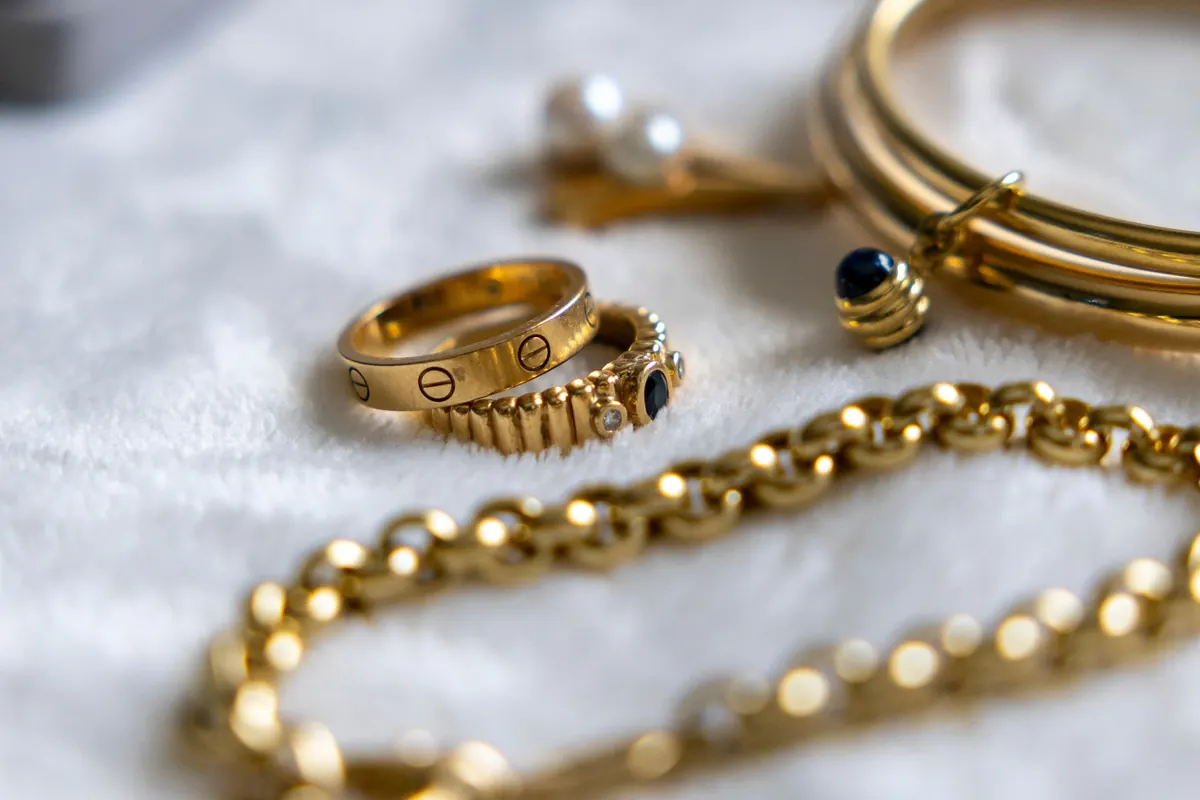
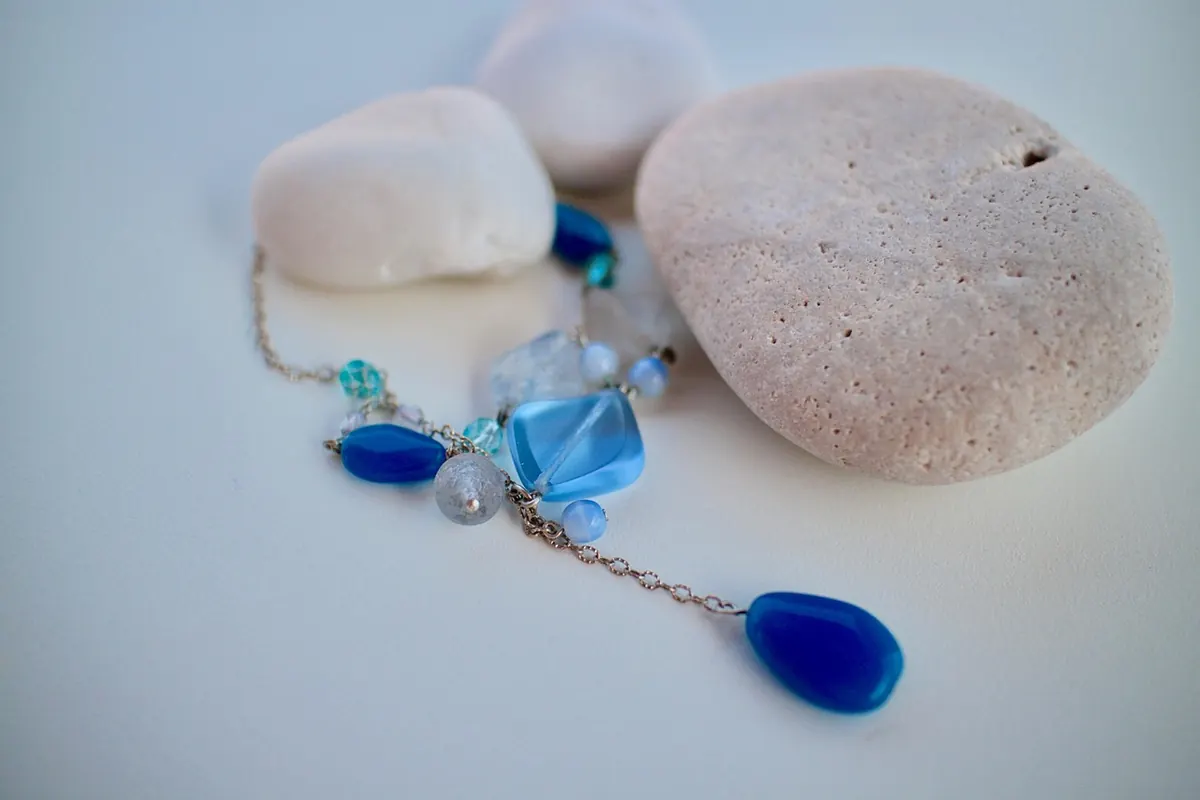
- Gemstone jewellery: a simple pendant, beaded bracelet or pair of studs in a stone they already wear.
- Crystal candles or diffuser sets: a scented candle with a tumble stone set beside it, if the recipient enjoys home fragrance.
Check the finish before you buy. Polished stones should feel smooth, not gritty; jewellery clasps should be secure; clusters should arrive well padded. If you are buying online, read the description for size in centimetres and check whether the stone is natural, treated or assembled. A short care card—keep out of prolonged direct sunlight, wipe with a soft dry cloth—adds polish.
Keepsake pieces for a larger budget
At the higher end, you are buying presence, provenance or both. A statement amethyst cluster, a labradorite freeform, a selenite lamp or a well-cut gemstone pendant can become a piece someone keeps for years. This is also where it pays to slow down.
Ask the seller what the stone is, where it was sourced and whether it has been treated. A reputable seller will answer plainly. If you are buying for someone else, check their home style first: a cool grey and glass room may suit labradorite or clear quartz, while a warm, layered room can carry citrine, carnelian or pyrite. For valuable pieces, keep the receipt and consider whether your home insurance covers them; if in doubt, ask your insurer.
Match the stone to the person
Meaning is personal. Use these pairings as prompts, then adjust to the individual.
For the stressed friend
Amethyst, blue lace agate or lepidolite in a palm stone or small cluster. Pair with a note about rest, not pressure.
For the new home
A clear quartz point, a selenite stick or a small pyrite cluster for a shelf or hallway. Choose something that fits their colour scheme.
For the creative
Fluorite, labradorite or citrine—stones with movement and flash. A raw piece on a desk can be more inspiring than a perfect sphere.
For the sceptic
Lead with beauty and geology, not energy. A framed mineral, a polished pebble for a paperweight or a gemstone bookmark works well.
For a child
Choose a larger tumbled stone with no sharp edges, or a crystal-themed decoration. Avoid small loose stones for very young children, as they can be a choking risk.
UK-friendly presentation and posting
British winters are damp, dark and unpredictable, which affects both wrapping and delivery. A little planning makes the difference between a gift that arrives beautifully and one that arrives in a soggy jiffy bag.
- Wrap in layers. Tissue paper, then a small organza or cotton bag, then a padded envelope or box. This protects polished surfaces and raw points.
- Add a care card. Include the stone name, a one-line meaning and simple care instructions.
- Choose a tracked service for heavier pieces. Clusters and lamps are fragile; mark the parcel as fragile and use a service that provides tracking.
- Post early. Christmas post is busy. If you are sending to a
Photo: pixelheart / Pixabay