
The 10-Point Checklist for Buying Crystals Online in the UK
Ten practical checks covering photos, measurements, descriptions, seller details, returns and postage, so UK buyers can order crystals online with confidence and fewer disappointments.
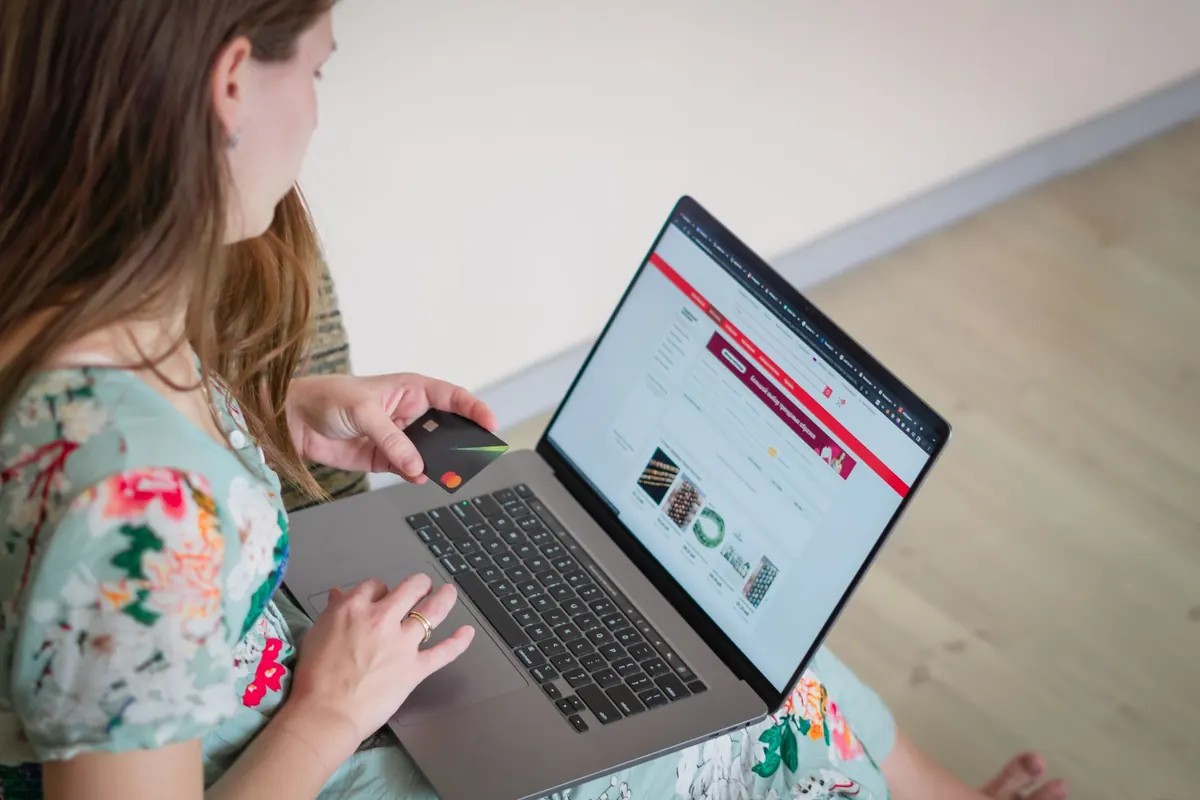
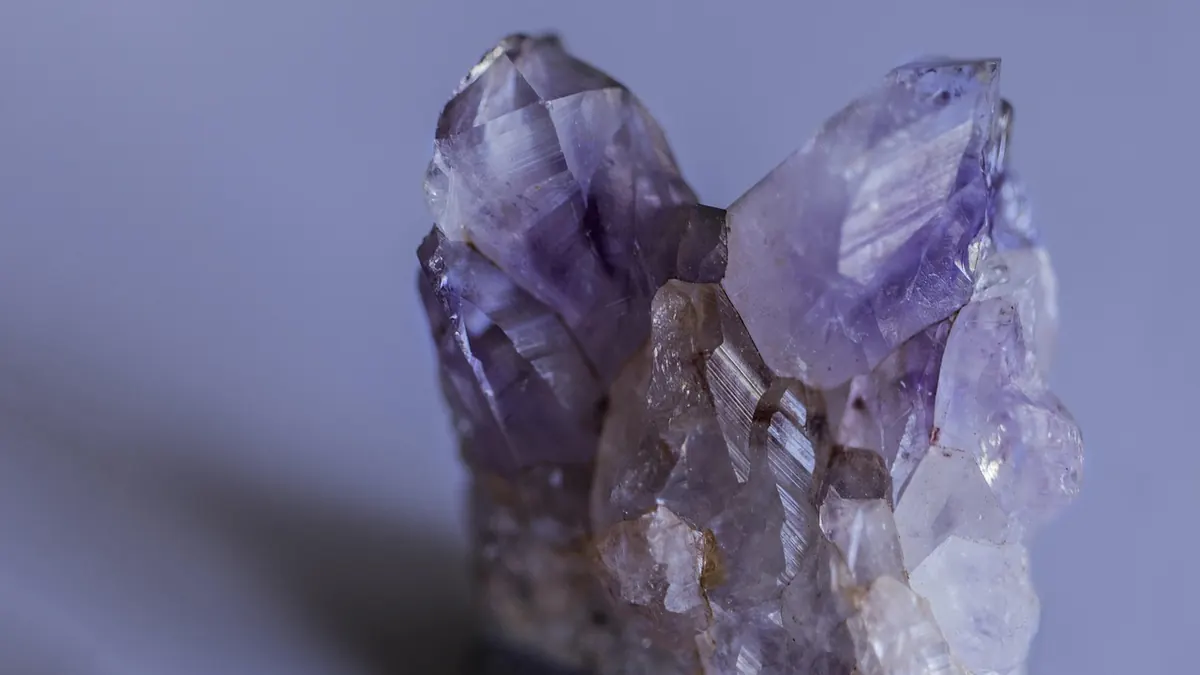
Crystals look their best in a well-lit photograph. That is precisely the problem. A polished amethyst point shot against a white background under a ring light can appear twice the size and several shades deeper than the stone that lands on your doormat. None of this makes buying online a gamble — it simply means the best purchases happen when you know what to look for before you pay. Here are the ten things worth checking on every listing, from the photographs to the returns policy.
Start With the Photographs
Most listings lead with the most flattering image the seller owns, which is marketing rather than deception. What matters is whether the rest of the gallery gives you the whole picture. Look for several angles, a close-up of the surface, and at least one shot taken in daylight rather than under artificial light. A short video is better still: it shows how the colour shifts as the piece turns and how light catches the surface.
Watch for three habits in particular. Wet shots, where a stone has been misted or oiled so it looks glossier than it will in your hand. Saturation pushed so far that the white background turns faintly pink or blue — that colour cast usually means the stone has been pushed too. And one image reused across dozens of listings, which tells you the photo is representative rather than of the actual piece.
If you are spending more than a few pounds, it is entirely reasonable to email and ask for an unfiltered daylight photo. Sellers who trade honestly will send one.
Get a Sense of Scale
A weight in grams tells you less than you might think. Minerals vary in density, so two pieces of the same weight can look completely different: 20g of hematite is small and heavy in the hand, while 20g of raw selenite is a long, chunky shard. A photo of a stone resting in an open palm is friendly but useless for judging size.
Ask for measurements in millimetres — length, width and depth. Ten millimetres is a centimetre, so a piece listed at 25mm x 18mm is roughly the size of a large postage stamp. If you keep a tape measure in a drawer, dig it out and mark the dimensions on a piece of paper. It takes ten seconds and prevents most of the disappointment that follows an online crystal order.
Read the Description Closely
Mineral names and trade names
Plenty of crystals are sold under names invented for the market. "Aura" quartz has been bonded with titanium or another metal. "Cherry quartz" is usually glass rather than a mineral. Much of what is sold as citrine is heat-treated amethyst. None of these are necessarily bad buys, but you should know what you are getting. If a listing will not tell you the mineral species, ask.
Treatments and enhancements
Heated, dyed, irradiated, fracture-filled, resin-coated: treatments are common and often perfectly legitimate. The problem is silence. If a listing calls a dyed agate "natural", ask directly whether the colour is natural. A straight answer is a good sign; a vague one is not.
Grades, flaws and condition
There is no industry-wide grading standard for crystals, so "AAA" or "museum grade" means whatever the seller wants it to mean. Judge the piece instead. Does the description mention chips, natural fractures, matrix or an uneven polish? Inclusions are normal in a natural stone, and a listing that acknowledges them is usually more trustworthy than one claiming perfection.
Vet the Seller, Not Just the Stone
- A trading name and a UK contact address, not only a contact form
- A reply to a simple question within a day or two
- Reviews you can find somewhere other than the seller's own website
- Clear wording on whether you receive the exact piece photographed
- A consistent listing style — sudden shifts in tone or photo quality can suggest resold stock
Send one question before you buy, even if you feel confident. How a seller replies tells you a good deal about how they will handle a problem later. Brief and helpful is fine; evasive or slow is worth noting. If they cannot say where a stone was sourced, or whether it has been treated, treat that as an answer in itself.
Returns, Refunds and Your Rights
Read the returns policy before you reach the checkout, not after the parcel arrives. Most online purchases in the UK come with a 14-day right to cancel, starting the day your order is delivered, and you then have another 14 days to send it back. You may need to cover return postage unless the seller says otherwise, and the piece should go back in a resalable condition. Bespoke or personalised items are usually excluded, so check the terms if you are commissioning something.
A damaged or misdescribed crystal is a different matter. Under the Consumer Rights Act 2015, goods must be as described, of satisfactory quality and fit for purpose. You are entitled to a refund, repair or replacement, so contact the seller promptly and photograph both the damage and the packaging.
Keep a copy of the listing and your messages until you are happy with the purchase. If a seller will not engage, Citizens Advice can point you towards the right next step, and it is worth taking proper advice rather than writing off a larger sum.
Postage, Packaging and Delivery
Ask how the parcel will be sent. Royal Mail Tracked or Special Delivery gives you a reference number and a delivery window; a plain first-class stamp does not, and untracked parcels go astray more often than anyone would like. For anything valuable, check that the item is covered while in transit.
Packaging matters too. Crystals chip and cleave, and a thin jiffy bag is not enough for a fragile point. Look for sellers who mention bubble wrap, tissue and a rigid box, and who double-box larger pieces. Buying several stones at once? Ask about combined postage before you check out — many sellers will consolidate an order and refund the difference, but only if you ask.
If the seller ships from outside the UK, remember that customs charges, import VAT and a handling fee can be added before delivery. Those costs fall to you rather than the seller, and they can add a surprising amount to a small order.
The Ten-Point Checklist
- Several sharp photos, including a close-upPhoto: Marcial Comeron / Pexels